
Discover Rome’s Hidden Charms: A 3-Day Itinerary of Local Gems and Unique Experiences
Day 1: Historical and Artistic Exploration
Morning:
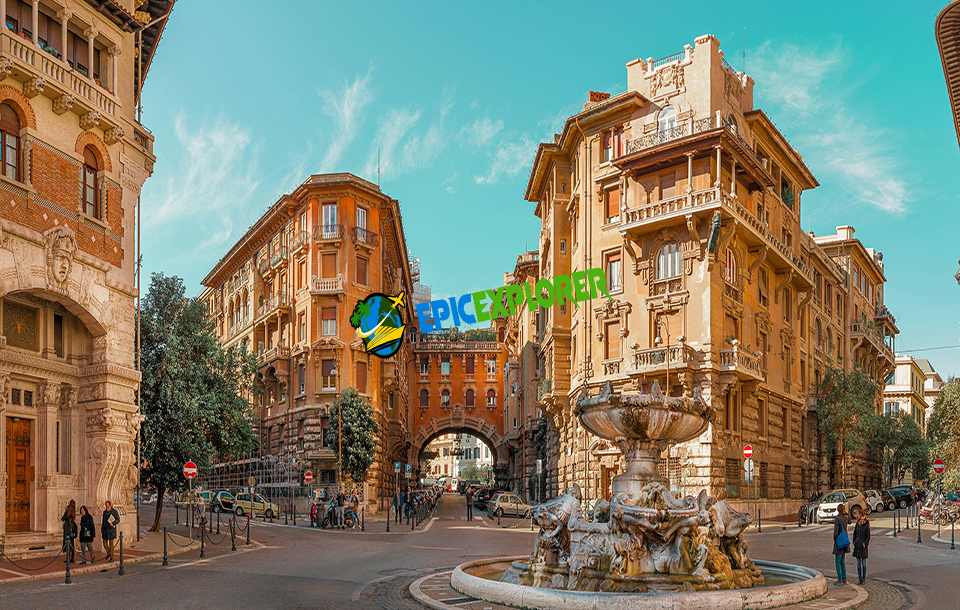
- Quartiere Coppedè: Start your day in one of Rome’s most fascinating, yet little-known neighborhoods. Quartiere Coppedè is a whimsical area filled with eclectic architecture that combines Art Nouveau, Baroque, and medieval styles. Wander through the unique buildings and admire the whimsical fountains, arches, and facades.
- Villa Torlonia: After exploring Coppedè, head to Villa Torlonia, a peaceful park and historical villa that was once home to the Torlonia family and Benito Mussolini. Stroll through the lush gardens and visit the lesser-known Casina delle Civette (House of the Owls), a small, quirky museum filled with stained glass windows and intricate design.
Afternoon:
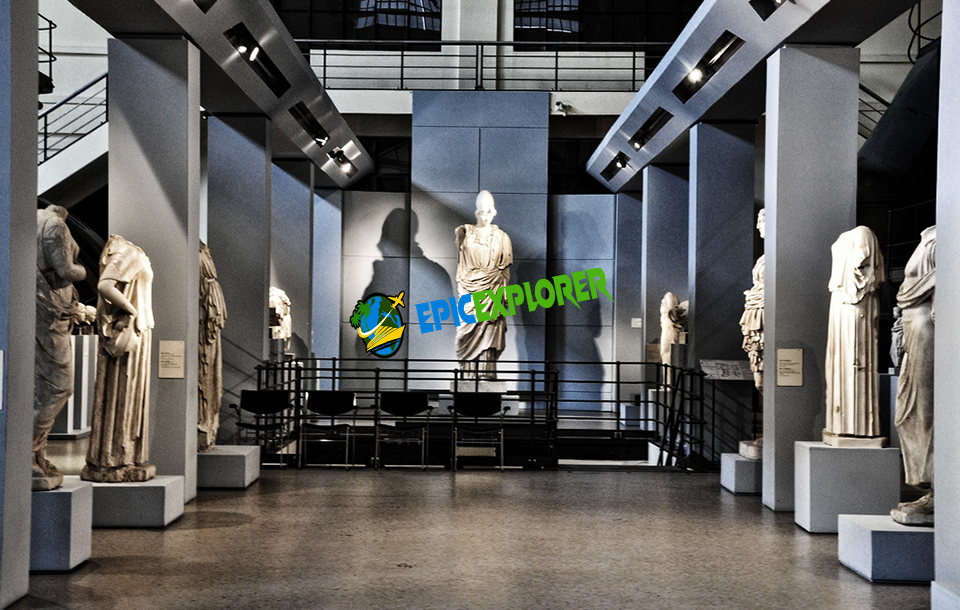
- Centrale Montemartini: For an off-the-beaten-path museum experience, visit Centrale Montemartini. This unique museum is set in a former power plant and juxtaposes ancient Roman statues with industrial machinery, creating a striking contrast between antiquity and modernity. It’s an impressive collection that is often overlooked by tourists.
- Testaccio Neighborhood: For lunch, head to Testaccio, a traditional Roman neighborhood known for its authentic food scene. Skip the crowded spots and dine at Flavio al Velavevodetto, located inside the ancient Monte Testaccio hill. Afterward, explore the local market, Mercato di Testaccio, where you can sample fresh produce, cheeses, and Roman street food.
Evening:
- Aventine Hill & The Keyhole: End your day with a quiet walk up the Aventine Hill, one of Rome’s lesser-visited but most serene spots. Visit the Giardino degli Aranci (Orange Garden) for panoramic views of the city, and stop by the famous Knights of Malta Keyhole, where you can peep through to see a perfectly framed view of St. Peter’s Basilica.
Day 2: Nature and Local Roman Life
Morning:
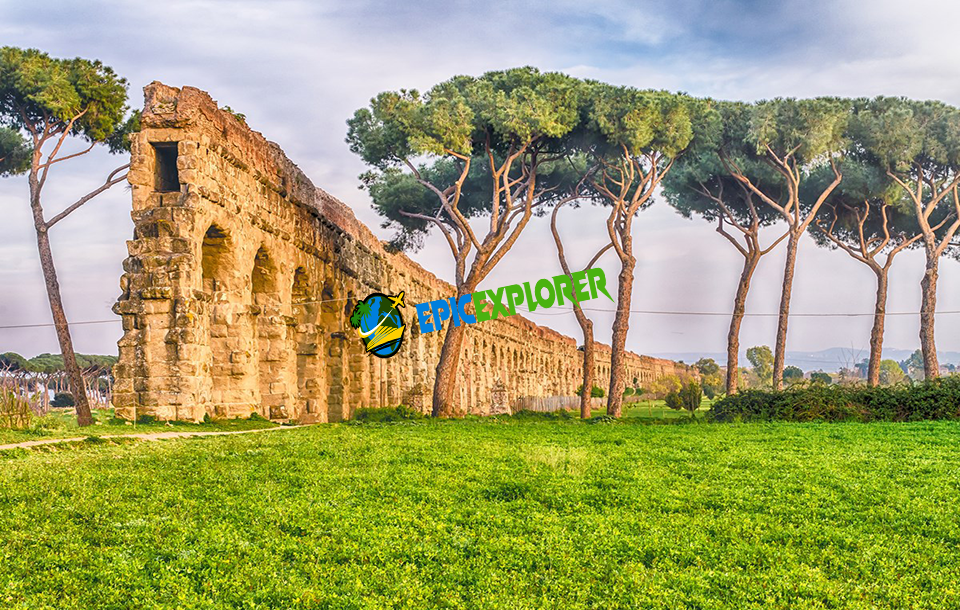
- Parco degli Acquedotti: Start your day by escaping the city center and visiting Parco degli Acquedotti, part of the larger Appian Way Regional Park. This peaceful park is home to ancient Roman aqueducts that once supplied water to the city. It’s a quiet, scenic place to walk or bike among the ruins, away from the crowds.
- Appian Way (Via Appia Antica): Continue your morning by walking or biking along the Appian Way, one of the oldest roads in Rome. You can explore ancient tombs, churches, and ruins along the way, such as the Tomb of Cecilia Metella. Stop for a coffee break at Casale del Fiscale, a charming café set in a rustic countryside atmosphere.
Afternoon:
- Garbatella Neighborhood: Spend the afternoon exploring the authentic and picturesque neighborhood of Garbatella, known for its village-like atmosphere and working-class history. Wander through its quiet streets, discover charming courtyards, and take in the architecture, which reflects a mix of Baroque and Romanesque styles. Grab lunch at Trattoria Da Cesare al Casaletto, a hidden gem beloved by locals for traditional Roman dishes.
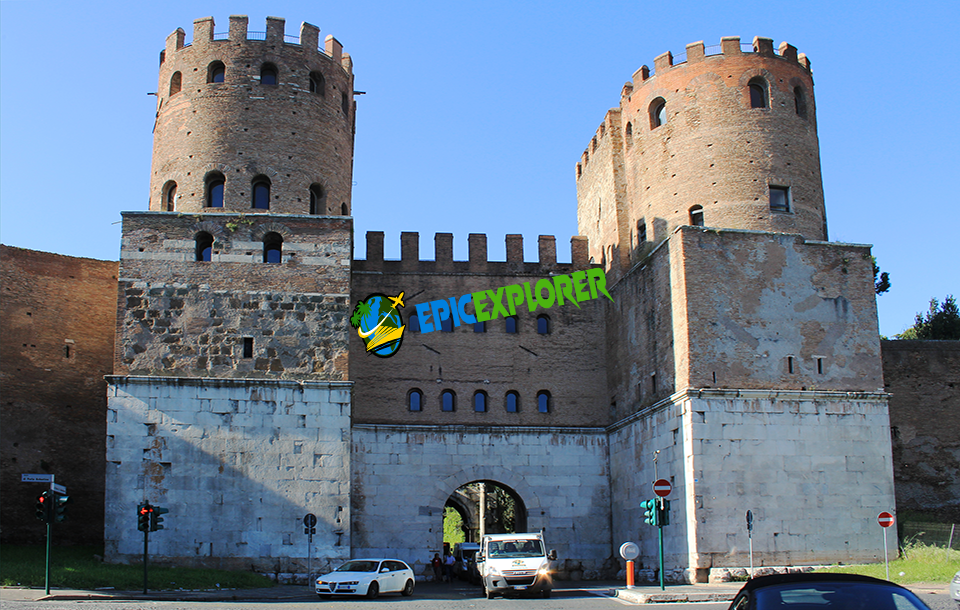
- Museo delle Mura: Close to Garbatella, visit the lesser-known Museo delle Mura (Museum of the Walls). Located in Porta San Sebastiano, one of the gates of the ancient Aurelian Walls, the museum offers fascinating insights into the history of Rome’s fortifications. You can also walk along the ancient walls for a unique perspective of the city.
Evening:
- Trastevere Backstreets: Skip the busy parts of Trastevere and wander through its quieter backstreets in the evening. Explore hidden churches like Santa Cecilia in Trastevere, which is home to stunning mosaics and a peaceful atmosphere. For dinner, enjoy local flavors at Da Enzo al 29, a small trattoria known for its authentic Roman dishes and cozy atmosphere.
Day 3: Art, Culture, and Local Flavors
Morning: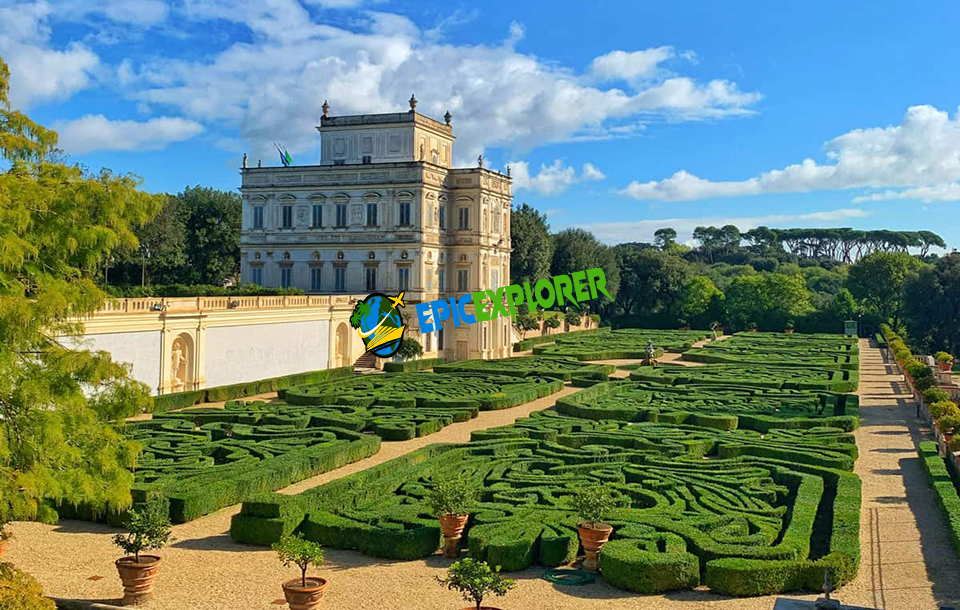
- Villa Doria Pamphili: Begin your day with a visit to Rome’s largest landscaped park, Villa Doria Pamphili. This sprawling green space is perfect for a morning walk or jog, far from the touristy hustle and bustle. You can explore the beautiful gardens, fountains, and woodland paths. The villa itself is a majestic building set among the tranquil scenery.
- Basilica of San Clemente: Continue your day with a visit to the Basilica of San Clemente, a multi-layered church that reveals Rome’s historical layers. It’s less crowded than other churches but offers a fascinating journey through time, from the medieval basilica on the surface to the ancient Roman house and Mithraic temple below.
Afternoon:
- Jewish Ghetto: For lunch, head to the historic Jewish Ghetto, where you can taste Roman-Jewish cuisine. Dine at Nonna Betta or Da Giggetto to try specialties like carciofi alla giudia (fried artichokes) and fritto misto. Afterward, stroll through the area, visiting the Portico d’Ottavia and the Great Synagogue of Rome.
- Villa Farnesina: Visit Villa Farnesina in the Trastevere district, a Renaissance villa that is often overlooked by tourists. The villa is home to stunning frescoes by Raphael and offers a peaceful, intimate setting to admire the art without the large crowds of Rome’s more famous sites.
Evening:
- Pigneto Neighborhood: End your trip in Pigneto, a trendy, bohemian neighborhood that is less frequented by tourists. Known for its street art, independent bars, and local eateries, it’s a great place to experience modern Roman culture. Have dinner at Necci dal 1924, a historic bar and restaurant that has maintained its local charm while serving delicious modern Italian cuisine. Afterward, enjoy a drink at one of the neighborhood’s many casual bars, like Spirito or Cargo.
This itinerary showcases Rome’s hidden gems, offering a blend of historical exploration, local culture, and peaceful nature escapes far from the typical tourist attractions. You’ll experience a side of Rome that many visitors miss, discovering the city’s authentic and quieter charms.